
Kanger. (Fire pot)
Kangri
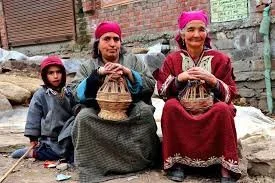
Womes using Kashmari Kangri
Most Kashmiris start using the kangri in late November, as winter sets in. They use it through December, January, and February—often right up until early March. During these months, the kangri becomes a constant companion—whether people are indoors sipping tea or walking through the frosty streets of Srinagar.
The kangri’s origins are also tied closely to Kashmir’s way of life. It is believed that the kangri has been used for over 500 years. Some say it was inspired by similar fire pots used in Persia, while others think it evolved uniquely in the Kashmir valley. What is certain is that the kangri became so important that it helped people survive the bitter cold of Kashmir’s winters.
In fact, today, making kangris is still a livelihood for many artisans in Kashmir. Skilled craftsmen shape the clay pots, add handles, and decorate them, ensuring each one is perfect. These artisans pass down their skills from generation to generation, keeping the kangri tradition alive.
In short, the kangri is more than just a fire pot. It is a living part of Kashmiri culture, a symbol of warmth, resilience, and craftsmanship. When you visit Kashmir, take a moment to see a kangri up close—it is a small pot with a huge history, keeping generations of Kashmiris warm in the winter chill.
The Kangri: A Timeless Source of Warmth in Kashmir
When the cold winds sweep across the beautiful valleys of Kashmir, one traditional item stands out: the kangri. The kangri is a small, portable fire pot that has been used by Kashmiris for centuries. It is a symbol of both practical warmth and cultural heritage.
A kangri is a simple, handmade clay pot, filled with hot charcoal. People keep it close to their bodies inside a loose robe, like the pheran, to stay warm during the harsh winter months. The charcoal inside the kangri gives off steady, gentle heat, allowing Kashmiris to stay cozy even when the temperature drops well below freezing.
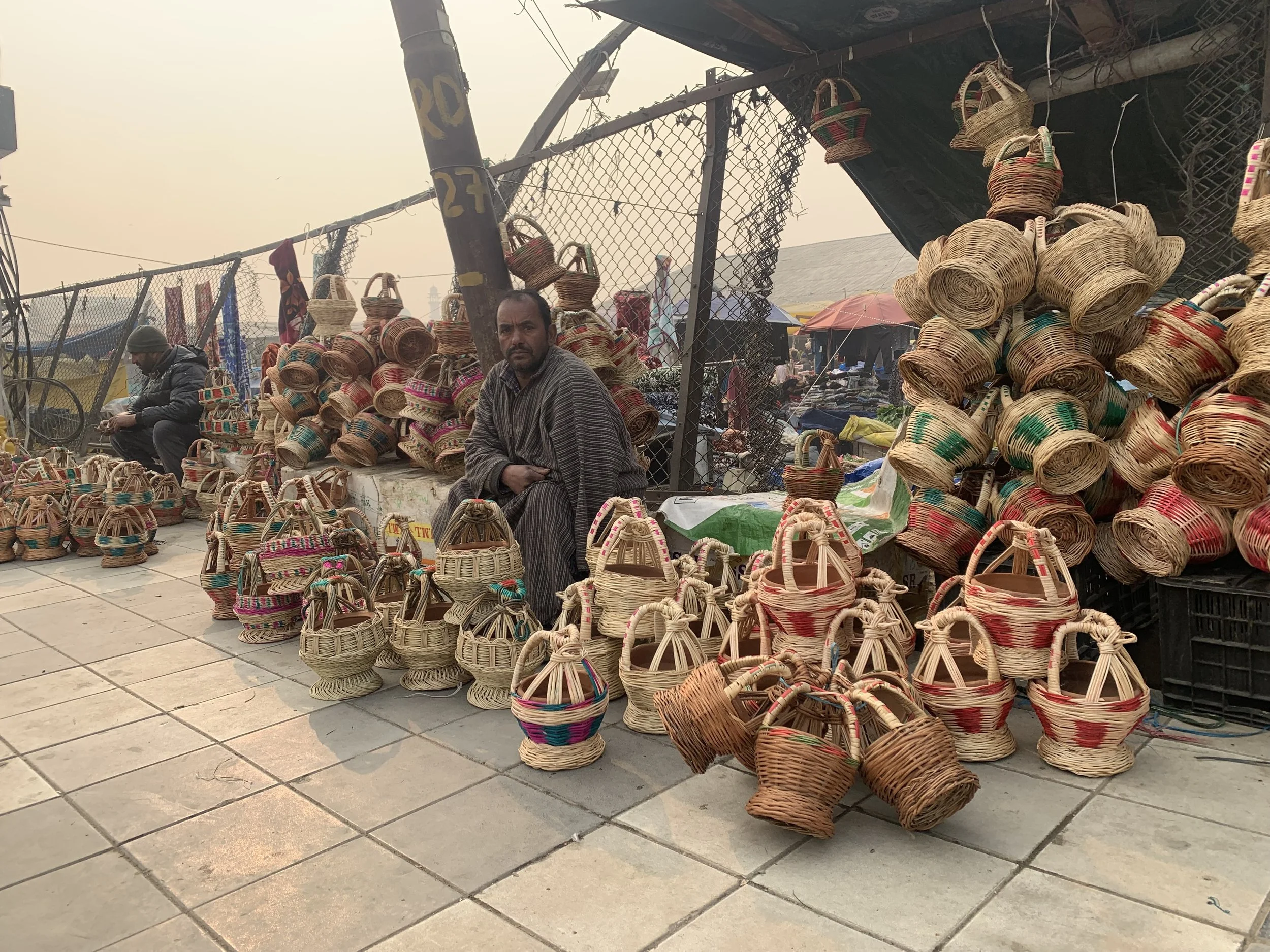
Seller selling Kangri on the streets of Kashmir
